
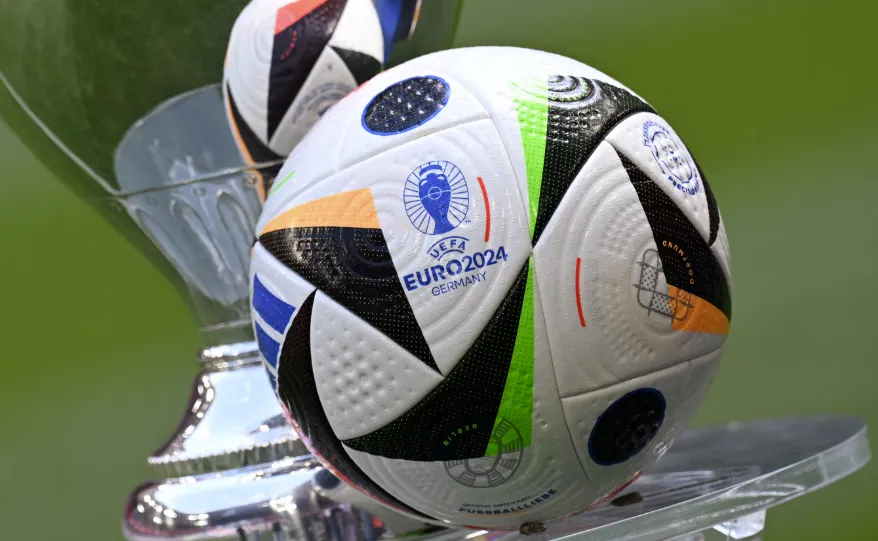
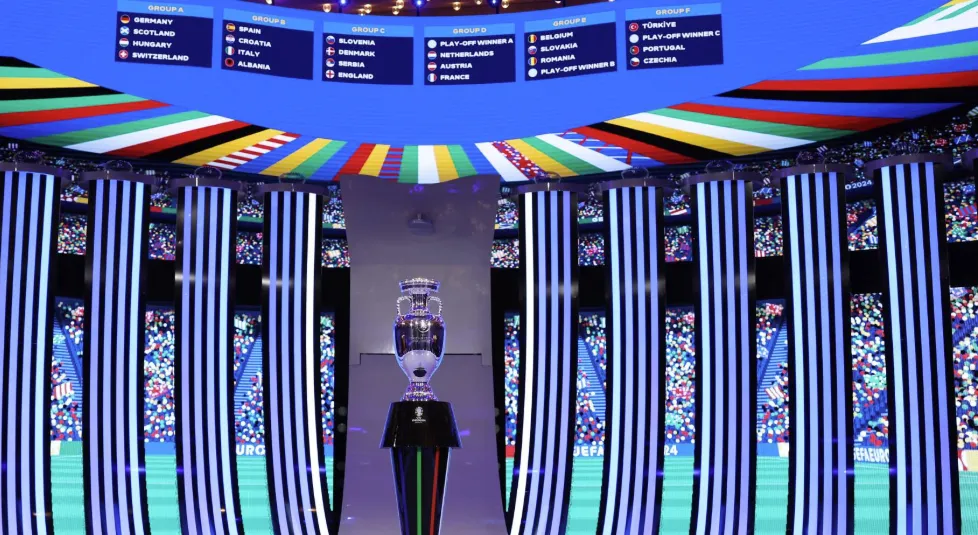
The 2024 UEFA European Championship is fast approaching, and as the tournament draw has set the stage, every nation is now in a mad dash to finalize their squads. While the heavyweights like France, England, and Germany boast incredible depth, no team is perfect. Each side has its own set of tactical puzzles to solve and gaps to fill before the opening whistle. Here at Banglawin, we’re not just looking at the star names; we’re breaking down the specific needs and potential vulnerabilities of every major contender as they head into the group stage.
Unlike simple roster reviews, this analysis delves into the strategic nuances. We’ve consulted with former international scout and tactical analyst, Marco Bellini, who has spent years evaluating the European talent pool. “The group stage is a chess match,” Bellini explains. “You need the right pieces to counter specific styles. Spain’s positional play is different from Italy’s counter-press, and every team must have a Plan B.”
The Favorites and Their Hidden Weaknesses
France: The Search for a Creative Spark
France appears to have it all – brute force in attack, a midfield engine, and a world-class defense. However, there’s a lingering concern. While Kylian Mbappé is a generational talent, the team can sometimes lack a true, high-volume playmaker in the final third. Antoine Griezmann has filled this role, but his recent form has been inconsistent. The team needs a consistent creator from deep or the wide areas to break down compact, defensive blocks.
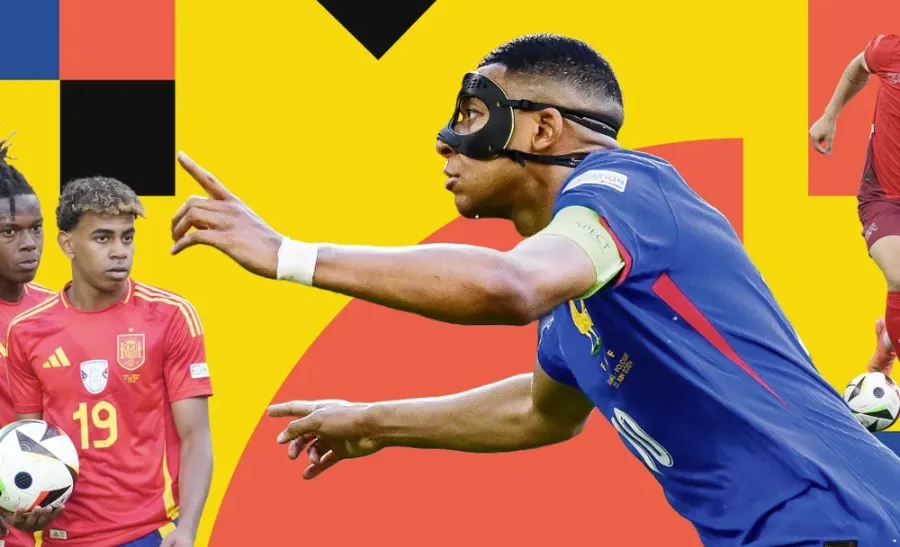
To achieve this, the coaching staff is hoping for a breakout tournament from a player like Eduardo Camavinga or a resurgence from Ousmane Dembélé. The key is finding a player who can consistently unlock defenses with a pass, not just speed. If France solves this puzzle, they are outright favorites.
England: The Midfield Balance
England has never had such an attacking wealth with Harry Kane, Jude Bellingham, Phil Foden, and Bukayo Saka. Yet, the existential question remains: who is the defensive fulcrum in midfield? Declan Rice is the anchor, but who partners him? Gareth Southgate needs a midfielder who can transition from defense to attack without leaving the backline exposed.
Using Bellingham in a more advanced role leaves a gap. The “Bellingham as a false-nine” experiment with Rice and a traditional number 8 could be the answer, but it sacrifices defensive solidity. Securing the right balance between creativity and screening in the middle third is England’s single most important task for the group stage.
Germany: The Full-Back Conundrum
As hosts, Germany have the advantage of familiarity, but their recent tournament struggles are well documented. Their biggest need is stability on the flanks. For years, the Nationalmannschaft has been caught between traditional full-backs and converted wingers.
Joshua Kimmich is world-class as a midfielder but has been shifted to right-back. David Raum offers attacking threat but is defensively suspect. “Germany needs clarity,” says Bellini. “Do they want high-risk, high-reward from their full-backs, or defensive security? This decision will shape their entire tactical system. A team that can’t decide on this will be punished by fast counter-attacks.”
Dark Horses and Their Key Requirements
Portugal: The Succession Plan at Center-Forward
Portugal is brimming with talent everywhere, except for one specific position: a guaranteed, elite number nine. Cristiano Ronaldo is still the main man, but at 39, he cannot be the lone, high-pressing striker for 90 minutes every game.
The team needs a reliable backup or a new tactical setup that doesn’t rely on a traditional target man. If Ronaldo is on the field, the pressing intensity drops. If he is off, who provides the physical presence in the box? Gonçalo Ramos has shown promise, but the team’s balance around him is still untested. Getting this transition right is crucial for a deep run.
Spain: The Clinical Edge
Spain can possess the ball like no other team. They can complete 700 passes in a single match. But, as we saw in recent tournaments, they often suffer from a “possession without purpose” problem. They generate many half-chances but lack a cold-blooded finisher.
Alvaro Morata is a hard worker, but he is not a top-tier European striker. The team needs one of their wide players—like Dani Olmo or Ferran Torres—to consistently cut inside and finish, or for someone like Joselu to be a super-sub. This team doesn’t need more chances; it needs a player to convert the ones they create with brutal efficiency.
The Underdogs Looking to Surprise
Italy: The Missing Defender
It is strange to say, but Italy, the defending champions, have a defensive crisis. This is the team that won Euro 2020 on the back of Giorgio Chiellini and Leonardo Bonucci. Now, both are gone.
Their current center-backs lack experience at this level. While players like Alessandro Bastoni are talented, the partnership is unproven. The Azzurri need their defense to become a cohesive unit quickly. If they concede early against a top team, their lack of individual attacking brilliance could be exposed. Italy’s tournament survival hinges on rebuilding their fortress from the back.
Belgium: The Transition Defense
Belgium’s “Golden Generation” is gone. Now, they have a new generation of attackers like Jeremy Doku and Charles De Bruyne (if fit), but their defense is a major worry.
They desperately need tactical discipline when they lose the ball. Jan Vertonghen is 37, and Toby Alderweireld is 35. The speed of the backline is a massive vulnerability. Any team with fast wingers—like France or Portugal—will target this. Belgium’s needs are simple: protect the old legs in defense and ensure their midfield provides more cover than under previous regimes. Without this, they are unlikely to survive the knockout stages.
Conclusion
As we prepare for the excitement of the group stage, it is clear that only the teams that can solve their specific tactical deficiencies will advance. Banglawin will continue to track these developments, offering you not just scores but deep insights. From France’s need for a creator to Germany’s full-back issues, the stage is set for tactical masterclasses and heartbreaking failures.
Which team do you think will solve their biggest weakness first? Leave your thoughts in the comments below, share this analysis with your fellow fans, and stay locked into Banglawin for the most comprehensive coverage of UEFA Euro 2024.
