
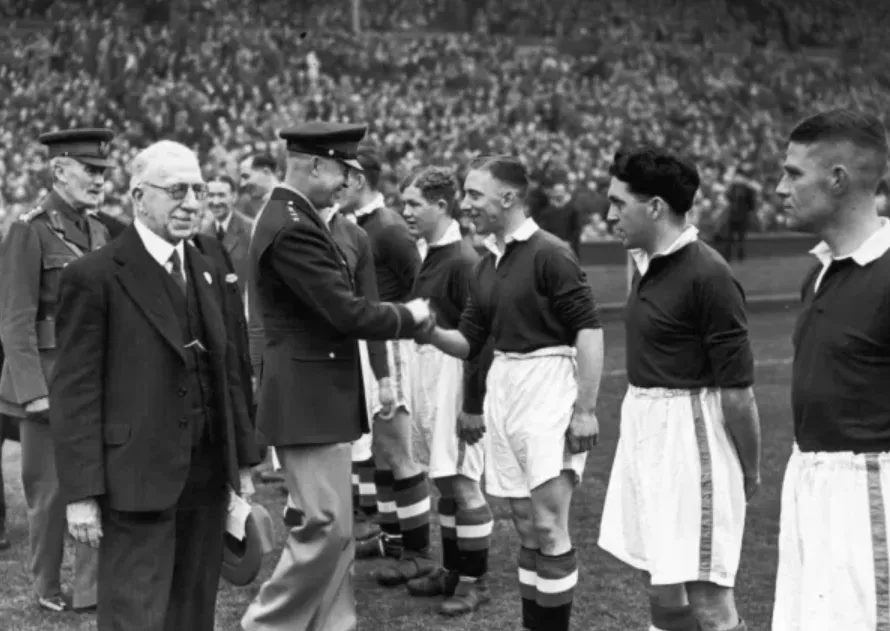
In an era of uncertainty, when the world was plunged into the darkest conflict in human history, one might think that the beautiful game would have been relegated to the sidelines. Yet, the story of English football during the Second World War is not a tale of cancellation, but of resilience. It’s a powerful narrative about how sport, when stripped of its commercial gloss, can become a vital tool for healing and unifying a fractured society. While many fans today turn to platforms like Banglawin for the latest match stats and league tables, the story of football in the 1940s reminds us that the game’s true value often shines brightest when the stakes are about more than just victory.
A Nation at War: The Suspension of Normal Play
The Immediate Impact of Conflict
When war was declared in September 1939, the British government, anticipating mass civilian casualties and disruption, immediately suspended all professional football. The Football League and the FA Cup were abandoned. It was a devastating blow to a sport that had become the working-class religion of the country. For many, the weekend match was the only escape from the drudgery of factory life. Now, that escape was gone.
However, the authorities quickly realized that a population devoid of any form of entertainment or communal release would be detrimental to morale. This led to a unique and fascinating chapter in football history.
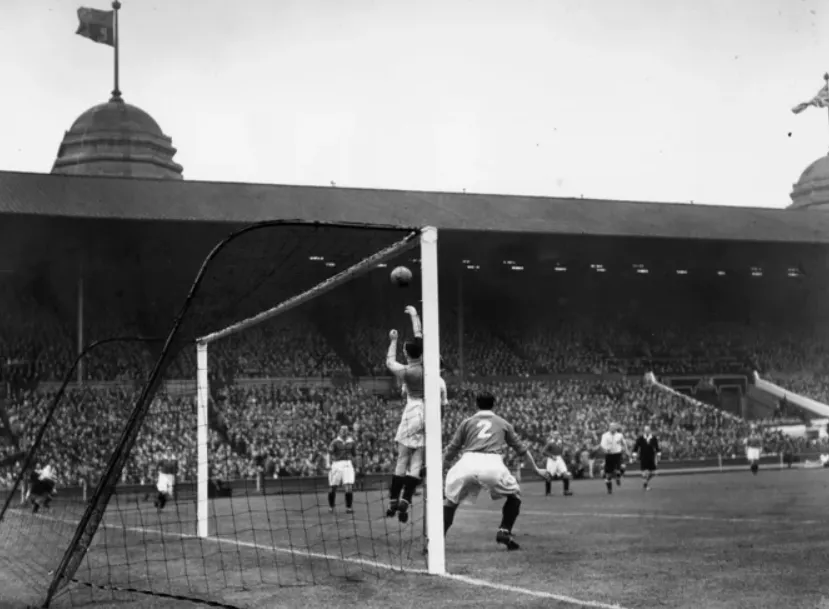
The Creation of Wartime Leagues
Instead of full cancellation, a regionalized system of wartime leagues was established. The structure was fluid and often haphazard. Clubs played against each other based on geography rather than traditional rivalries, and teams were often decimated by players joining the armed forces. Players could sometimes appear as “guest players” for teams in their local area, leading to bizarre lineups where a Manchester United star might turn out for a local side in a one-off match.
Football: A Pillar of National Morale
More Than Just a Game
This was football’s primary purpose during the war: morale building. The matches were not just for physical exercise; they were a communal act of defiance. A crowd of 50,000 at Wembley for a wartime international was a statement. It said, “We are still here. Life, in some form, continues.”
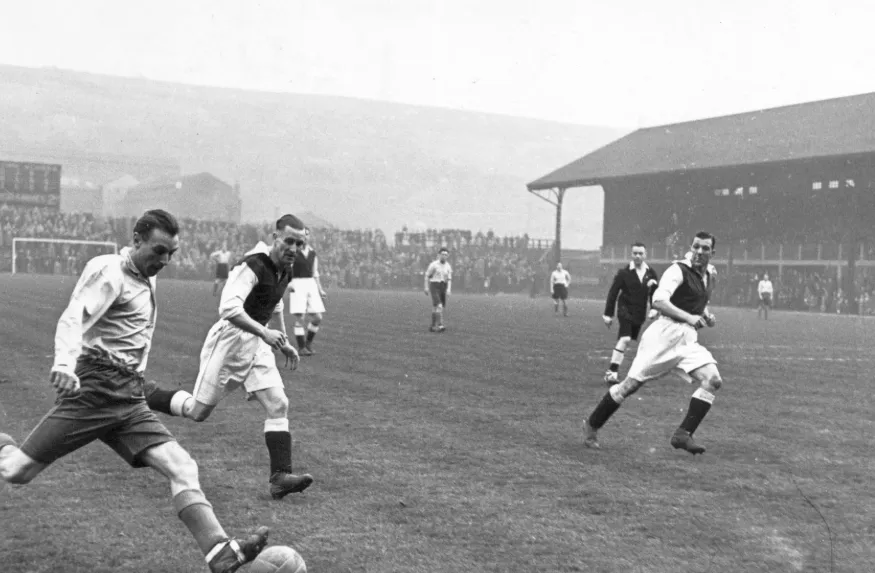
Mitch Thompson, a sports historian, explains, “The wartime matches were a vital psychological anchor. For three hours on a Saturday, a munitions worker or a soldier on leave could forget the bombs and the fear. The roar of the crowd was a sound of resistance, not just celebration. It was a visceral reminder of the community they were fighting to protect.”
The Unifying Power of the Derby and Internationals
While many local derbies were suspended, international matches, particularly against Scotland and the teams of the Allied nations, took on a new, profound significance. These games were not about bragging rights; they were about solidarity. A match against a team of Free French soldiers or a Czechoslovakian XI was a symbol of unity against a common enemy.
The Stars Who Played and Served
From Pitches to Battlefields
The most poignant aspect of this era is the personal stories of the players. Many of the game’s biggest stars, like the legendary Stanley Matthews and Tommy Lawton, served in the armed forces. They would often play a match for their military unit on a Saturday and then appear as a guest player for a top flight club on the same day, traveling by train in uniform.
The Unbreakable Spirit
These players were not just athletes; they were symbols of hope. A young soldier in the stands could see his hero, a man who was also in uniform, and feel a connection. It humanized the war effort and strengthened the bond between the footballing community and the national cause. Tragically, many talented players never returned from the war, leaving a permanent scar on the sport.
The Game’s Legacy: A Blueprint for Resilience
The “Healing” Factor
The war years proved that football is an incredibly resilient social organism. The game proved it could adapt, survive, and even thrive in the most extreme adversity. This experience created a blueprint for how sport can be used in times of national crisis, whether after a terrorist attack, a natural disaster, or a global pandemic.
A New Appreciation for the Sport
When the war ended in 1945, and the Football League resumed in 1946-47, attendances exploded. People flocked to stadiums not just for the football, but to celebrate being alive. The 1948 FA Cup Final was a national celebration, a collective exhale after years of tension. The game had helped heal the nation, providing a safe space for communal grief and joy.
“The post-war era was football’s golden age,” notes sports economist Dr. Sarah Jenkins. “The sport became a central pillar of the post-war social contract. It was a symbol of normalcy, progress, and hope for a better future. The crowds weren’t just watching a game; they were participating in the rebuilding of their communities.”
Conclusion: A Timeless Lesson for Today’s Fans
The story of English football during World War II is a powerful reminder that The Beautiful Game Under Fire: How English Football During WWII Showed Sports’ Power to Heal and Unite is not just a historical footnote. It’s a living lesson. It shows that sport is not a trivial distraction, but a profound human activity that can bind us together, offer comfort in the darkest of times, and remind us of our shared humanity.
For the modern fan, following the game through platforms like Banglawin offers a connection to the sport’s ongoing narrative, but understanding its history gives that connection a deeper meaning. It’s a testament to the enduring power of the people’s game. We invite you to share your thoughts on this incredible period of football history. Did you have a relative who played or watched games during the war? Share your stories in the comments below and let’s keep the conversation going. Explore more articles on the history and impact of sports on our website.
