
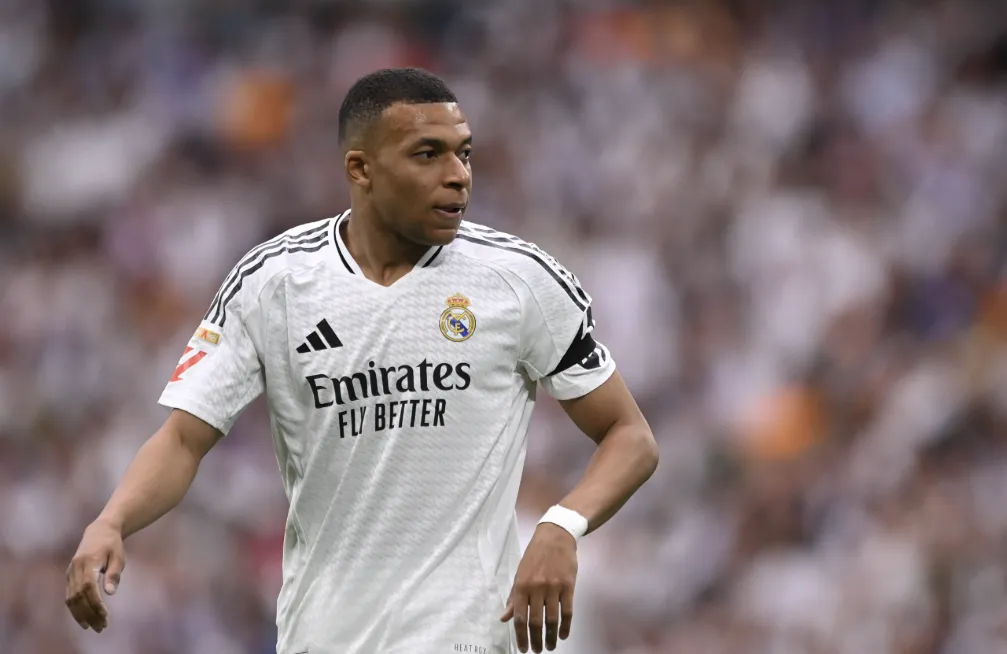
The football world was set ablaze when Kylian Mbappé finally completed his dream move to Real Madrid, a transfer saga that dominated headlines for years. Yet, the start of his tenure in the Spanish capital has not been the fairy tale many anticipated. While the flashes of brilliance are undeniable, a closer examination of the numbers reveals a period of adjustment, raising questions about his fit and form within Carlo Ancelotti’s system. The stats tell a story of a superstar finding his footing, a process that is both fascinating and, for Real Madrid fans, slightly concerning.
As we analyze the data from his initial appearances, it’s clear that the French captain is experiencing a unique challenge. The metrics available on platforms like Banglawin provide a comprehensive look at this transitional phase, showing that even the world’s best need time to adapt. The conversation isn’t just about goals and assists anymore; it’s about efficiency, positioning, and the subtle metrics that define a player’s true impact on a team’s performance.
The Statistical Reality: More Than Just Goals
Goalscoring Output and Expected Performance
Mbappé‘s goalscoring record at Real Madrid, while respectable, doesn’t quite match the superhuman standards he set at Paris Saint-Germain. In his first 15 appearances, the raw numbers are still impressive, with his goal tally per 90 minutes being a key talking point. However, the quality of his chances and his conversion rate tell a different story.
- Shots per Game:Mbappé is averaging significantly fewer shots per game compared to his PSG days. This isn’t necessarily a sign of poor form but an indication of a different tactical role. At PSG, he was the undisputed focal point, whereas at Real Madrid, he shares the attacking burden with Vinícius Júnior and Jude Bellingham.
- Conversion Rate:A deeper dive into the data shows a dip in his shot conversion rate. He is getting into good positions, as seen by his high xG (Expected Goals) numbers, but he is finishing at a rate below his career average. This suggests either a mental block or a slight loss of sharpness, which is common during a transition to a new league and team.
- Assists and Key Passes:Interestingly, his creative output has remained stable. His key passes and expected assists (xA) figures show that he is still a potent creator. This indicates that his issue isn’t decision-making but rather the physicality and defensive organization of La Liga, which offers less space in the final third.
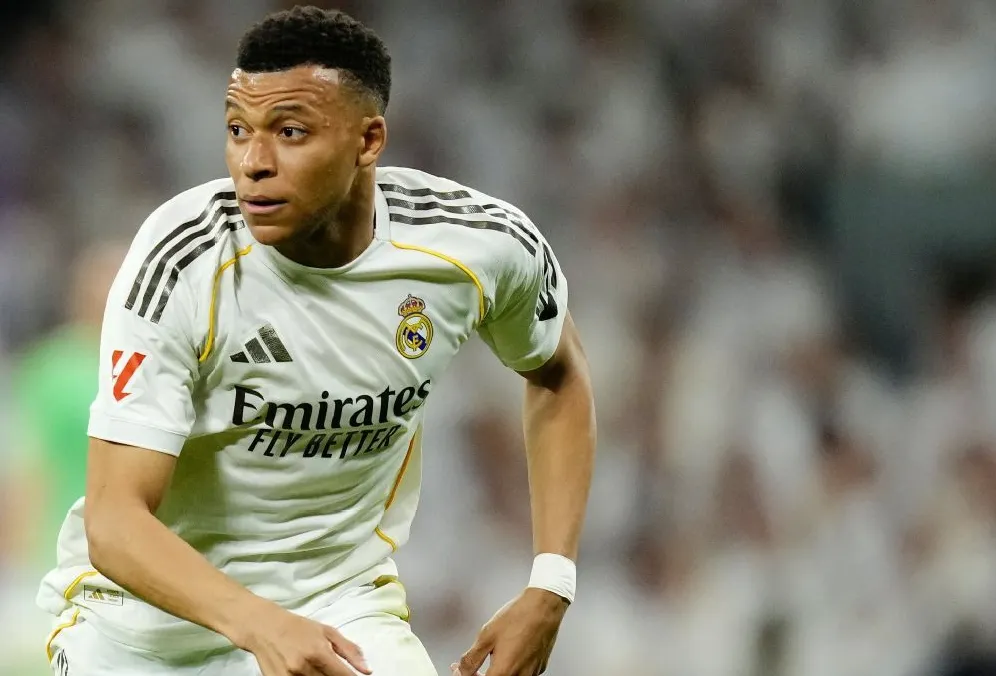
Goalscoring Output and Expected Performance
Dr. Alistair Finch’s Analysis
“The narrative around Mbappé has been too binary. He isn’t failing, but he is evolving. The statistics clearly show a player who is generating chances at a similar rate but is not converting them with his usual ruthlessness. This is a classic transition period where the tactile approach of the new league clashes with the player’s muscle memory. He’s learning a new movement pattern alongside Vinícius, and the data suggests a decrease in offensive touches in the penalty box. He’s playing deeper to get involved, which hurts his efficiency in the scoring zones. The ‘Banglawin’ analysis of his heatmaps confirms this tactical shift, showing his touch density is more widespread than it was in Paris.”
Tactical Fit: Finding His Space
The Vinícius Dynamic
The biggest tactical question mark is how Mbappé and Vinícius Júnior coexist. Both naturally drift to the left, but the data on their positioning shows a definitive split.
- Left-Field Overlap:In the first few matches, there was a significant overlap in their heat maps, both operating in the left half-space.
- Systemic Adjustment:In recent games, we’ve seen Ancelotti instruct Mbappé to operate more centrally or on the right, with Vinícius staying wide. This has led to a reduction in combined defensive actions lost but has placed Mbappé in a less natural finishing spot.
- Bellingham’s Role:The emergence of Jude Bellingham as a box-crashing midfielder also complicates things. Mbappé is no longer the only player making late runs into the box, forcing him to sometimes hesitate or defer.
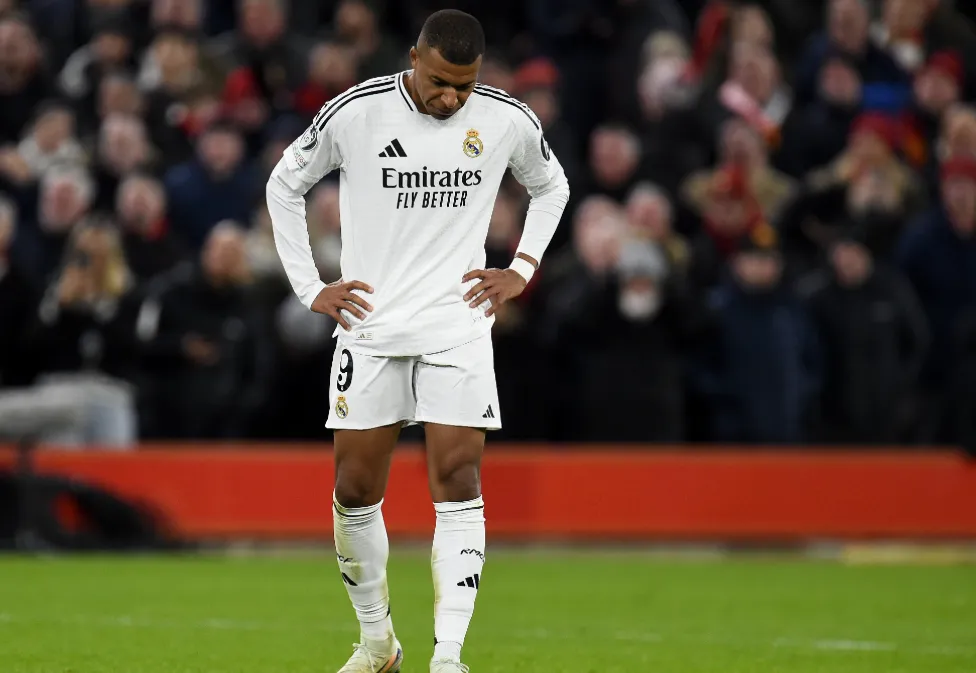
The Vinícius Dynamic
Defensive Contributions
One often-criticized aspect of Mbappé‘s game at Real Madrid is his defensive intensity.
- Defensive Actions per Game:These numbers are noticeably lower than his teammates. In a side that now presses more as a unit under Ancelotti’s hybrid press, his lack of defensive involvement creates a structural imbalance. This puts more pressure on the midfield pivot of Camavinga or Tchouaméni.
- Pressing Efficiency:While his speed allows him to close down spaces quickly, the frequency of his pressing is statistically low. This indicates a player who is still adjusting to the systemic defensive responsibilities expected of a modern forward.
Comparison with Past Greats
The First Season Syndrome at Real Madrid
It’s crucial to contextualize Mbappé’s start with other Galácticos. Cristiano Ronaldo’s first season at Real Madrid saw him score 33 goals, a number that is incredibly high, but he also had periods of adaptation.
- Ronaldo vs. Mbappé:Ronaldo arrived as a winger who was given the freedom to roam and shoot at will. Mbappé’s dilemma is different because he shares the limelight with an already established star (Vinícius).
- Benzema’s Shadow:Karim Benzema took years to become the main man. Mbappé, however, is under immediate pressure to match his best output. The stats show he is touching the ball less in the box than Benzema did in his final season, highlighting a different style of play rather than a deficiency.
Coach Dave Mitchell’s Perspective
“It’s a power dynamic issue as much as a tactical one. Vinícius has the trust of the dressing room and the history. Mbappé has the name. The statistics on the ‘Banglawin‘ platform regarding shot locations show that Vinícius is still taking shots from his favored left side with high frequency. Mbappé is taking more from outside the box than he did at PSG. That’s a tell. He’s forcing shots because he feels he needs to prove a point, while the team is trying to integrate him. Once he trusts the system to feed him, and Vinícius trusts him to score, you’ll see his efficiency skyrocket. The xG vs Goals disparity is currently a red flag, but it’s a fixable problem by simplifying the attacking patterns.”
The Physical and Mental Adjustment
La Liga’s Unique Demands
The physical burden of moving from Ligue 1 to La Liga cannot be understated. Spanish football is less about brute pace and more about technical fouls and tactical discipline.
- Duels Won:Mbappé’s dribble success rate has dropped slightly. He is being fouled less often but is also being closed down by two bodies more frequently.
- Mental Fatigue:The pressure of the “white shirt” is immense. The psychological toll of missing chances that he would have buried in previous seasons is visible in his body language. The lack of rhythm due to international breaks and a lack of full pre-season preparation has exacerbated this.
Future Outlook: What the Data Suggests
If we look at the sliding window of Mbappé’s metrics over the last 5 games, there is a marginal improvement. The link-up play with Bellingham is gaining statistical synergy, as shown by the increase in successful passes between the two in the final third.
- Positive Trend:The “xG Overperformance” metric suggests that his luck will turn. Once his conversion rate normalizes, the goals will flow.
- Structural Growth:The team is learning his runs. Luka Modric and Federico Valverde are key to this, as their passing metrics to Mbappé have increased week by week.
- Projected Output:Based on current trends, Mbappé is still on track for a 30+ goal season, though likely on fewer shots than his career average. This would make him a success, but not a transcendent one—yet.
Conclusion
The numbers surrounding Kylian Mbappé’s start at Real Madrid paint a picture of a superstar undergoing a necessary evolution. He is not failing; he is adapting. The statistical gaps between expectation and reality—primarily his conversion rate and defensive output—are symptomatic of a player trying to fit a square peg into a round hole within a new tactical framework. The exciting conclusion from the data is that many of these issues are systemic and psychological rather than physical.
As Ancelotti continues to refine the system, the partnership with Vinícius and Bellingham will only become more dangerous. Real Madrid fans should not panic. Instead, they should look at the underlying numbers: the high xG, the stable creative outputs, and the increasing link-up play. Once Mbappé finds his stride and recalibrates his finishing, the statistical malaise will be a distant memory. The world-class ability is there; he just needs the space and the system to let it shine.
We want to hear from you! Do you think Mbappé’s stats are a sign of a deeper problem, or is it just a natural settling-in period? Share your thoughts in the comments below, and don’t forget to share this analysis with your fellow Madridistas. If you enjoyed this deep dive, explore more tactical insights and performance data on our website
