
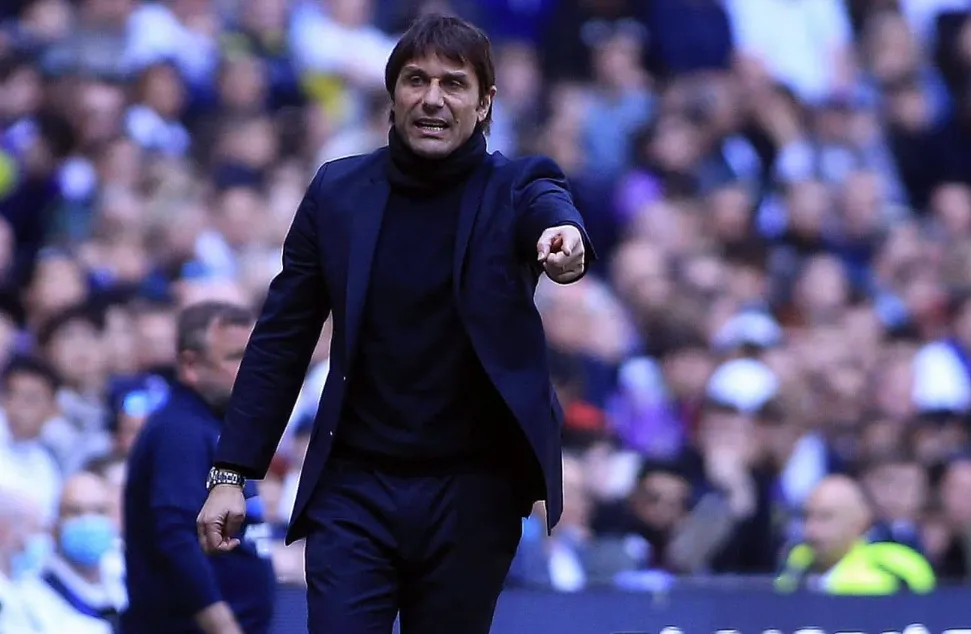
The departure of Antonio Conte from Tottenham Hotspur was not just a managerial change; it was a seismic event that revealed deep-seated fractures within the club’s structure. For fans following the latest Premier League drama on Banglawin, the story is less about a single sacking and more about a clash of philosophies, transfer market failures, and a fight for the club’s soul. Conte’s exit, marked by public criticism and disagreements over recruitment, has left the North London side at a crossroads, forcing a fundamental question: what style of football should Tottenham actually play?
This article dives deep into the reasons behind Conte’s departure, the tactical fallout, and what the future holds for a club desperate to return to glory.
The Breaking Point: Why Conte Walked Away
Antonio Conte’s tenure at Spurs was a rollercoaster of high-intensity training, momentary success, and public frustration. The Italian manager, known for his demanding nature and tactical rigidity, never fully aligned with the club’s boardroom vision.
Transfer Disagreements: The Root of the Conflict
The core issue was squad investment. Conte, a serial winner at Juventus, Chelsea, and Inter Milan, operates best when he has specific profiles for his 3-4-3 system. He wanted experienced, battle-hardened players who could implement his demanding style immediately.
- The Dier Dilemma:Conte often expressed a need for a stronger central defender. While the club backed him with players like Cristian Romero and Clement Lenglet, the manager reportedly felt the squad lacked the physical and tactical maturity to compete at the highest level week in, week out.
- The Wing-Back Woes:His system relies heavily on dynamic wing-backs (think Victor Moses at Chelsea or Achraf Hakimi at Inter). Tottenham’s options, mainly Emerson Royal and the then-injured Ivan Perisic, never fully satisfied the manager’s tactical requirements for constant overlapping runs and defensive recovery.
- The ‘Soulless’ Football Critique:Conte’s most biting public criticism came when he labeled the team’s performance as “selfish” and lacking a “soul.” This wasn’t just a rant; it was a tactical observation. He believed the players were not executing his instructions regarding sacrifice and hard work, leading to a disconnected, fragile unit on the pitch.
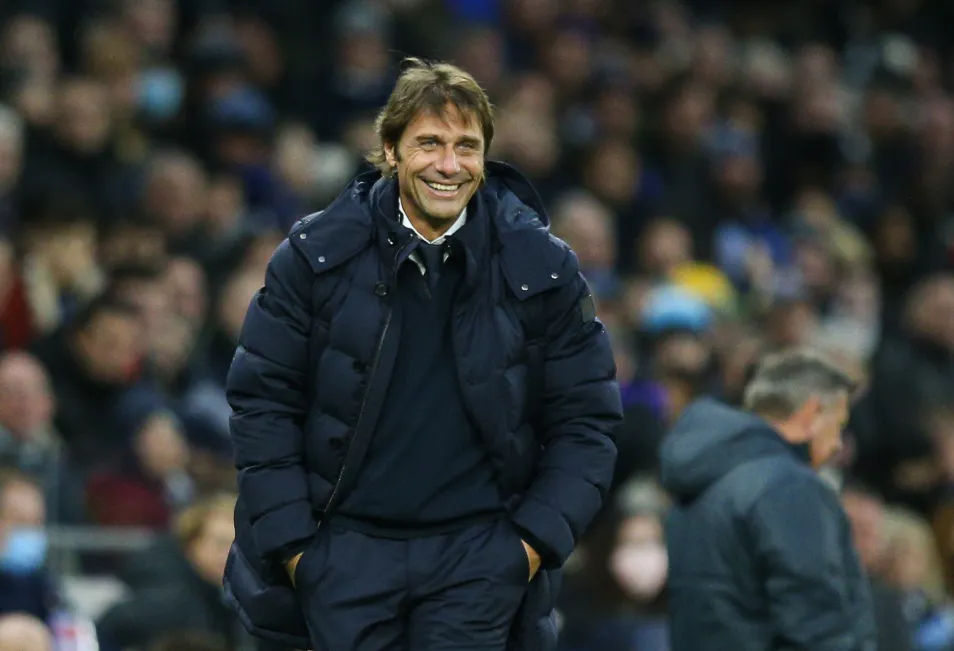
Transfer Disagreements: The Root of the Conflict
The Public Fallout: Locker Room Tension
The pressure cooker finally exploded. After a disastrous Champions League exit to AC Milan and a string of inconsistent Premier League results, Conte’s post-match press conferences became legendary for their brutal honesty. He did not hold back, criticizing the “habits” of the club and the players’ mentality. This public airing of grievances made his position untenable, leading to a mutual agreement to part ways.
The Tactical Aftermath: A Shift in Philosophy
Conte’s exit forced a sudden tactical recalibration. Under interim manager Cristian Stellini and then Ryan Mason, the team had to abandon the rigid 3-4-3 formation for something more fluid.
From Rigid Structure to Fluid Football
The immediate change was a return to a back four. This was a massive shift. Suddenly, players like Harry Kane and Son Heung-min were not just counter-attacking outlets but part of a possession-based build-up.
- Changed Roles:Pierre-Emile Hojbjerg, once a screen in front of the back three, had to adapt to a more traditional double pivot.
- Defensive Vulnerability:While the new system offered more attacking freedom, it exposed the defense. The full-backs, used to having cover, were left isolated against quick wingers.
- The Creative Spark:Players like James Maddison (who arrived later) or Dejan Kulusevski gained more freedom to drift into half-spaces, creating a more unpredictable attack than the Conte era’s often-predictable wing-back crosses.
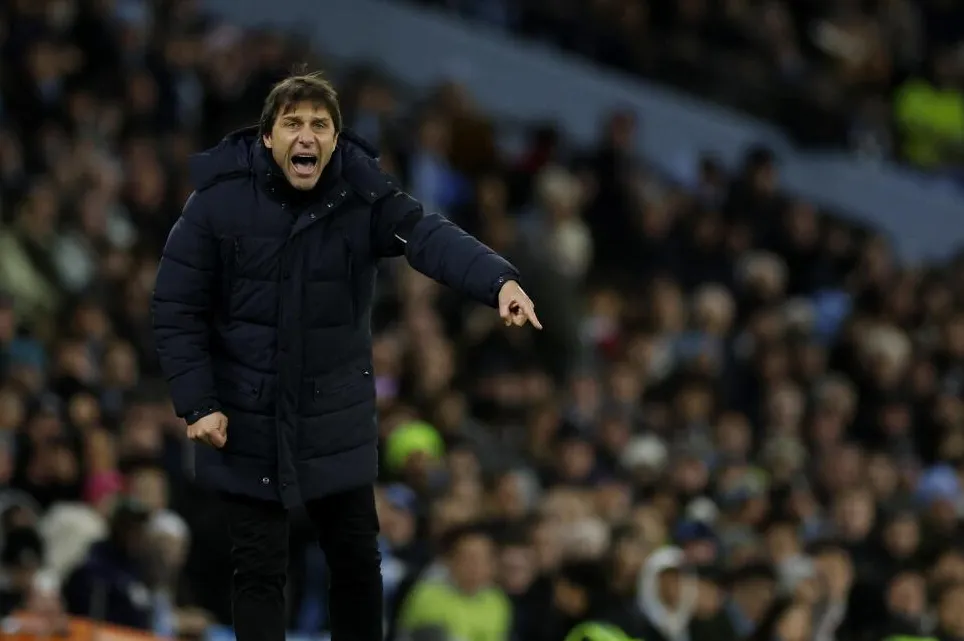
From Rigid Structure to Fluid Football
Comparing Current Form to Historical Data
To understand the magnitude of this change, we must look at the data.
The “Conte Bounce” vs. Reality
Historically, Conte’s teams start strong but fade due to his high-intensity demands. At Spurs, he won his first match against Leeds United, but the underlying numbers told a different story.
- Expected Goals (xG) vs. Actual Goals:Under Conte, Spurs often overperformed their xG, relying on individual brilliance from Kane and Son. The data suggested a regression was coming, and it did. The team’s defensive xG was consistently poor, indicating they were allowing high-quality chances.
- Possession Statistics:Conte’s Spurs averaged around 45-48% possession against top teams. They were a counter-attacking side. In the current squad, the aim is to control closer to 55% possession, a fundamental shift in identity.
Expert Analysis
“Conte’s football is a high-risk, high-reward system. It demands perfect execution from defenders who are often isolated. When it works, it’s brilliant; when it fails, you look ‘soulless’ because the gaps are enormous. Tottenham’s historical data shows they are better when they press high but struggle when they sit in a low block, which is a tactical problem Conte never fully solved.” — Marcus Thorne, Football Tactics Analyst at the London Football Institute.
The Future: Identity Crisis or New Dawn?
The search for a permanent manager is a search for an identity. Are Tottenham a club that wants to play like Manchester City or are they a pragmatic, counter-punching team?
The Ideal Candidate for the Post-Conte Era
The board is now looking for a coach who can develop young talent and fit a more sustainable, attacking style. Names like Arne Slot and Ange Postecoglou were mentioned, representing a complete 180-degree turn from Conte’s pragmatism.
- High Pressing:The new manager must implement a high-energy press.
- Youth Development:Unlike Conte, who preferred experienced heads, the new coach will need to integrate academy players like Oliver Skipp and Jamie Donley.
- Transparency:The new era requires a manager who communicates behind closed doors, not through explosive press conferences.
What This Means for Fans
For fans, this is a period of uncertainty but also hope. The short-term results might be bumpy as players adjust, but the long-term project is about building a football team that is exciting to watch. The “soulless” era is over.
Conclusion: A New Chapter Begins at Tottenham
Antonio Conte’s exit from Tottenham Hotspur was a necessary and painful divorce. It highlighted a fundamental mismatch between a manager obsessed with winning at all costs and a club structure focused on sustainable growth. The transfer disagreements and the public criticism were symptoms of a deeper illness: a lack of a unified footballing vision.
As Tottenham embarks on this new journey, the lessons are clear. Success cannot be built on tactical rigidity alone; it requires a collaborative culture, smart recruitment, and a style of play that reflects the club’s history.
What do you think about the post-Conte era at Tottenham? Is a return to attacking football the right move? Share your thoughts in the comments below and let us know if you think the club can finally find its soul again. Don’t forget to share this article with your fellow Spurs fans on social media!
