
The 2022 FIFA World Cup in Qatar was a tournament of firsts, and its stage was unlike any other. For the first time, the world’s biggest football event was hosted in the Middle East, and it was condensed into a single metropolitan area, allowing fans to experience multiple matches in a single day. The crown jewels of this historic event were the eight stunning stadiums, each with its own unique story, innovative design, and a legacy plan focused on sustainability and community. This Banglawin guide takes you on a tour of these architectural marvels, exploring where the magic happened and what the future holds for these iconic venues.
A Compact Tournament: The Qatar 2022 Concept
Unlike sprawling World Cups of the past, Qatar 2022 offered an unprecedented compact experience. All eight stadiums were located within a 55-kilometer radius of central Doha. This design wasn’t just about convenience; it was a logistical masterstroke that minimized travel for teams and fans, reduced the tournament’s carbon footprint, and created a continuous festival atmosphere. As football analyst Mark Thompson noted in a recent Banglawin feature, “The proximity of the venues changed the fan experience entirely. It fostered a sense of unity and allowed the tournament’s energy to remain concentrated, creating a non-stop football carnival in the desert.”
A Tour of the Eight Iconic Venues
Lusail Stadium
The jewel in the crown, Lusail Stadium, hosted the final and several key matches, including Argentina’s epic victory. With a capacity of 88,966, its magnificent golden façade, inspired by traditional Arab craftsmanship, made it an instant icon. Post-tournament, it is being transformed into a community hub with schools, shops, and health clinics, setting a new standard for mega-event legacy.
Al Bayt Stadium
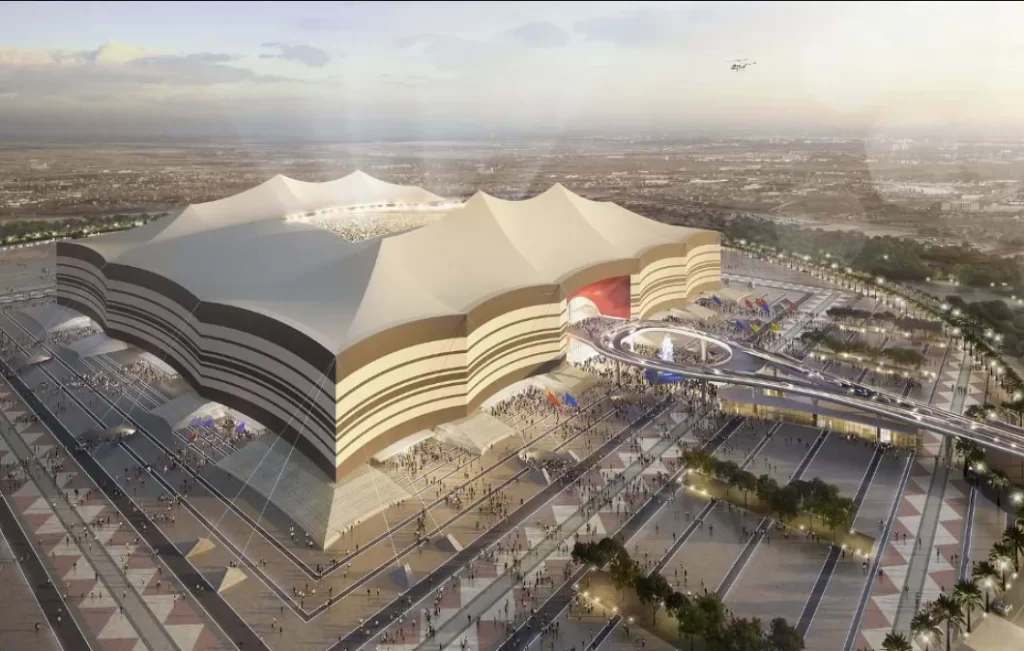
Inspired by the traditional tents of nomadic peoples in Qatar, Al Bayt Stadium in Al Khor was a breathtaking sight. Its 68,895-seat capacity and retractable roof made it a formidable venue. It hosted the opening match and a semi-final. The upper tier is being dismantled, with the seats donated to sporting projects worldwide, and the remaining structure will become a five-star hotel, shopping center, and park.
Stadium 974
Perhaps the most innovative of them all, Stadium 974 in Doha was built entirely from shipping containers and modular steel. The number ‘974’ is both Qatar’s international dialing code and the exact number of containers used. This fully demountable stadium, which hosted several group stage and round of 16 matches, has now been completely taken apart, with its parts destined for reuse in other projects, leaving virtually no waste behind—a true symbol of sustainable design.
Al Thumama Stadium
Located just south of Doha, Al Thumama Stadium’s design is a beautiful homage to the ‘gahfiya,’ the traditional woven cap worn by men across the Arab world. The 44,400-seat venue hosted matches up to the quarter-finals. Its legacy plan is community-focused, with the stadium’s upper tier being removed to create a boutique hotel and athletic facilities, including a branch of Aspetar, a world-renowned sports medicine hospital.
Education City Stadium
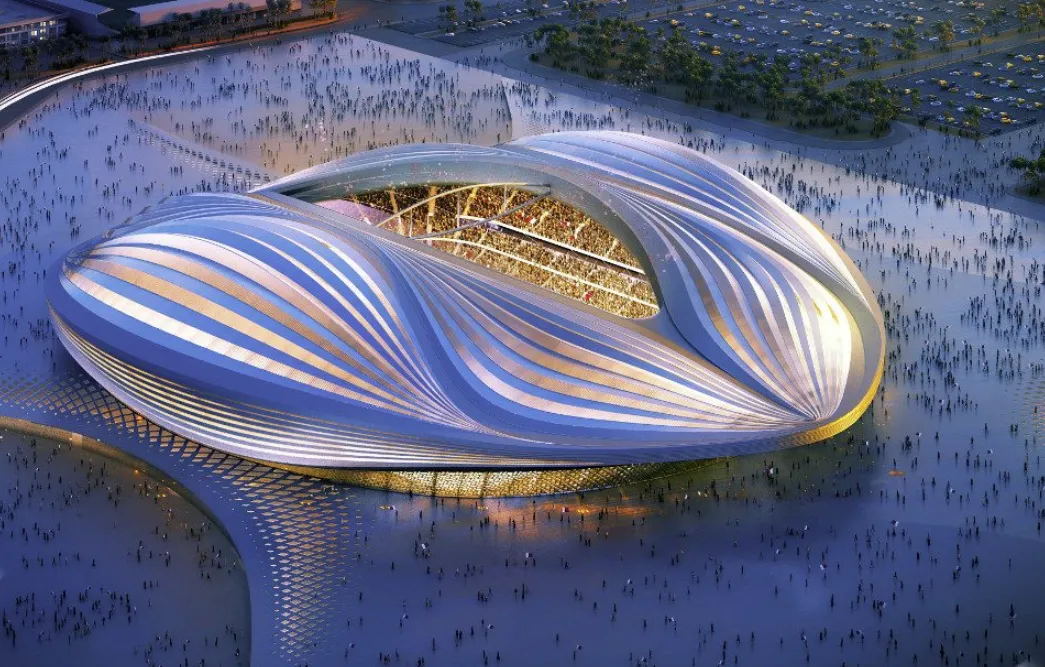
Nestled within Qatar’s vibrant Education City, this 44,667-seat stadium was known as the “Diamond in the Desert” for its dazzling geometric façade that sparkled in the sunlight. It hosted matches through to the quarter-finals. Post-World Cup, it will serve as a home for university sports teams and a venue for community events, perfectly aligning with its academic surroundings.
Ahmad Bin Ali Stadium
Home to the popular Al Rayyan SC, this stadium in Al Rayyan was completely rebuilt for the World Cup. Its most striking feature is its illuminated façade, which acts as a media screen displaying messages, patterns, and colors. With a capacity of 45,032, it celebrated Qatari culture and hosted several group stage matches. The surrounding area has been revitalized with new parks and community facilities.
Khalifa International Stadium
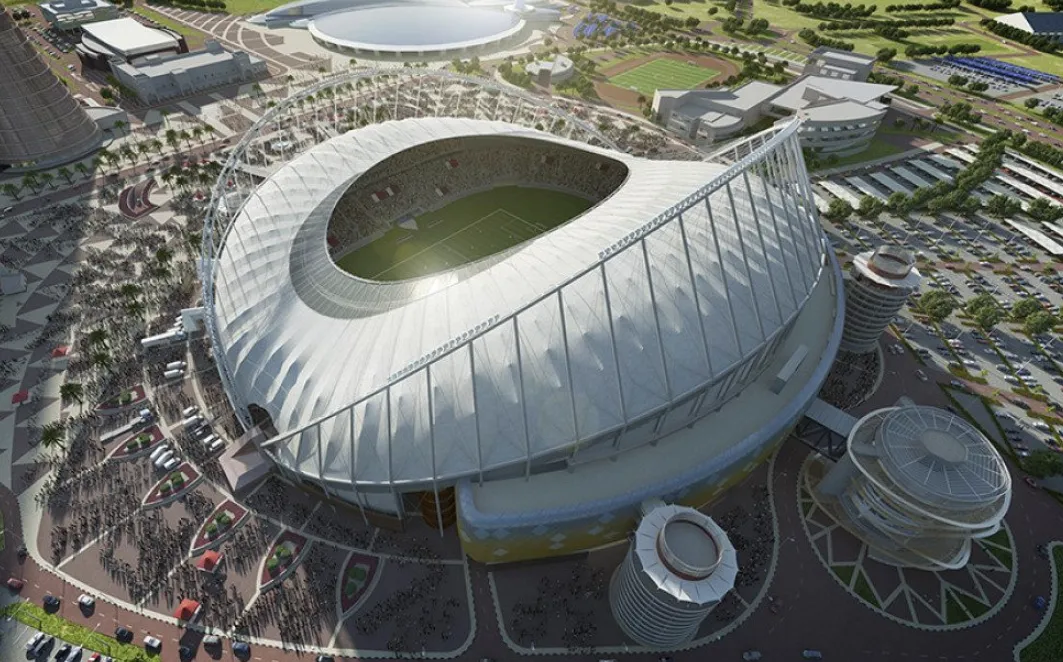
The historic heart of Qatari football, Khalifa International Stadium in Doha was renovated and expanded for the tournament. A veteran that also hosted the 2019 World Athletics Championships, its iconic dual arches were retained. With a capacity of 45,857, it hosted matches up to the third-place playoff. It remains a central national sports venue.
Al Janoub Stadium
In the southern city of Al Wakrah, Al Janoub Stadium’s design pays tribute to the city’s pearl-diving history, with a roof structure resembling the hulls of traditional dhow boats. Its innovative, retractable roof and cooling technology were engineering highlights. The 44,325-seat stadium’s capacity has been halved post-tournament, with the removed seats donated, and the venue will serve the local Al Wakrah SC and community.
Legacy and Innovation: More Than Just Stadiums
The story of Qatar’s World Cup stadiums extends far beyond the final whistle. Each venue was conceived with a “modular design” philosophy and a clear legacy plan to avoid becoming white elephants. From demountable structures like Stadium 974 to downsized community assets like Al Janoub, the focus was on sustainable development. Advanced cooling technologies, crucial for hosting a winter World Cup, have set new benchmarks for outdoor climate control in hot regions. According to infrastructure expert Dr. Leila Hassan, speaking to Banglawin, “The technological and architectural lessons from these stadiums will influence sports venue design globally for decades, particularly in regions with extreme climates.”
The Stadiums of the 2022 FIFA World Cup: A Lasting Legacy
From the golden glow of Lusail to the inventive spirit of Stadium 974, the venues of the 2022 World Cup were far more than just backdrops for football. They were statements of cultural identity, feats of engineering, and blueprints for a sustainable future in major event hosting. They provided the perfect, compact stage for one of the most memorable tournaments in history. As fans, we witnessed legendary moments within these walls, and their legacy will continue to shape sport and community in Qatar for years to come.
What was your favorite stadium from the Qatar World Cup? Did the compact nature of the tournament enhance your viewing experience? Share your memories and thoughts in the comments below, and explore Banglawin for more in-depth guides and analysis on the world’s greatest sporting events.
